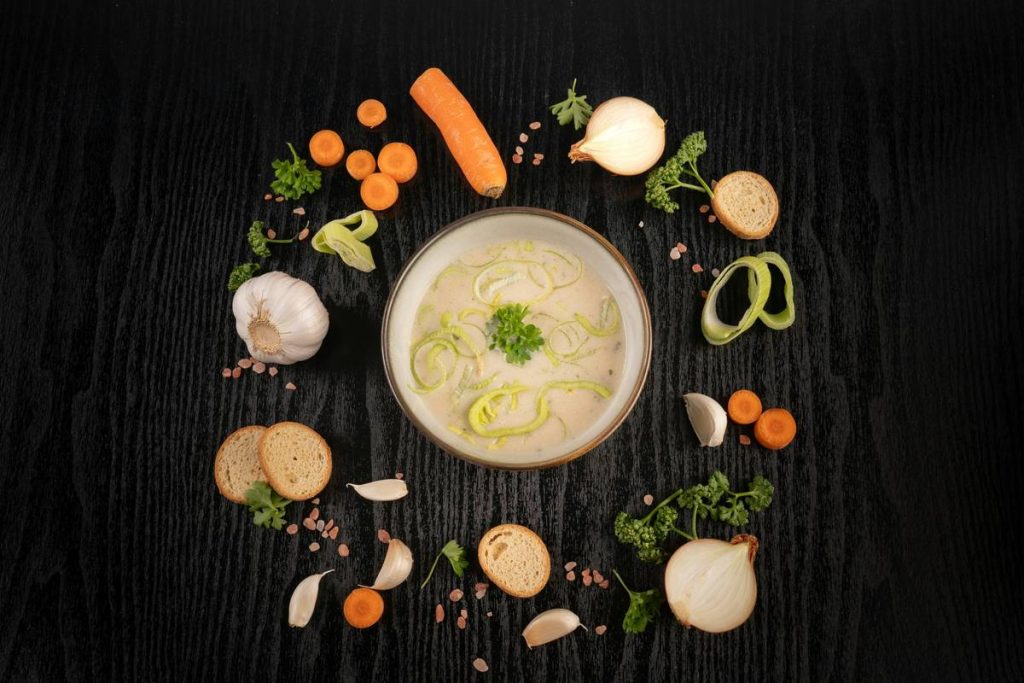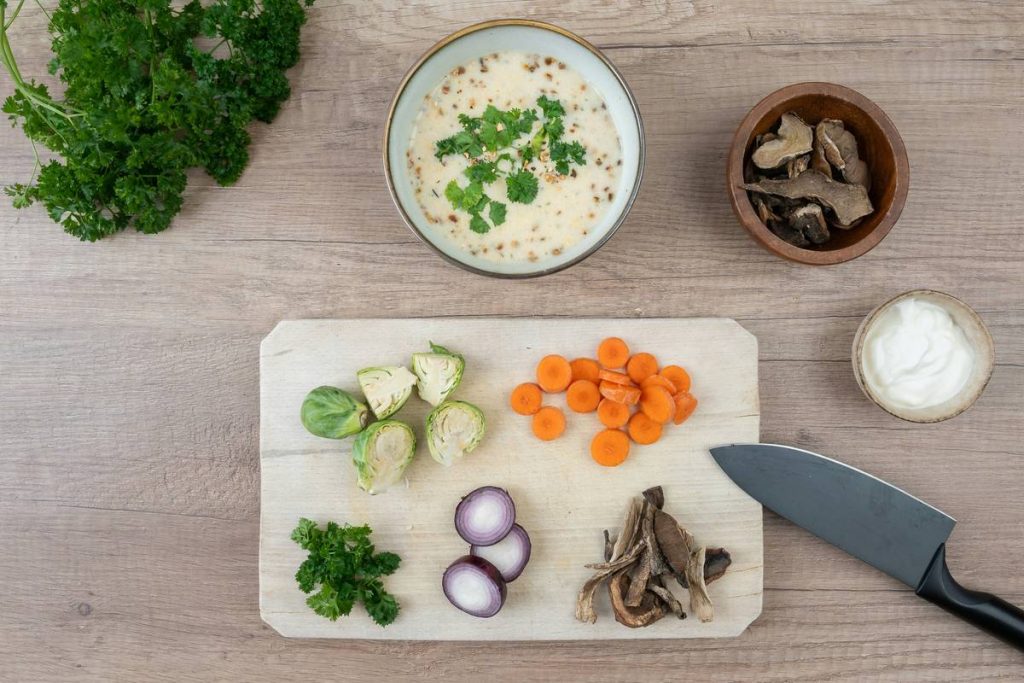
Ever spent $20 on a “natural” organic soup only to find hidden sugars, vague labels, or ingredients you can’t pronounce? You’re not alone. In the world of Beauty & Skincare, Clean Eating isn’t just about glowing skin—it’s about fueling your body with integrity. And yes, that includes your soups. This guide cuts through the marketing fluff to show you how to truly align your broth bowl with your wellness goals. We’ll cover why it matters, actionable steps to get it right, and even where I once went wrong (hint: it involved misreading a “vegetable broth” label that contained yeast extract—ew).
Table of Contents
- Why Clean Eating Matters for Organic Soups
- How to Practice Clean Eating with Organic Soups
- Best Practices for Authentic Organic Soup Choices
- Real-World Results from Clean Soup Habits
- FAQs About Clean Eating and Organic Soups
Key Takeaways
- Clean Eating prioritizes whole, minimally processed ingredients—even in liquids like soup.
- Not all “organic” soups are created equal; always read beyond the front label.
- Making your own broth at home gives you full control over ingredients and avoids sneaky additives.
- Consistent Clean Eating supports skin health by reducing inflammation and oxidative stress.
- Use trusted certifications (USDA Organic, Non-GMO Project) as your first filter—but not your only one.
Why Clean Eating Matters for Organic Soups
In the Beauty & Skincare niche, we often focus on topical products—but your inner ecosystem shapes your outer glow more than any serum ever could. Chronic low-grade inflammation from processed foods can trigger acne, dullness, and premature aging. According to a 2023 review published in Nutrients, diets rich in whole, unprocessed plant foods significantly improve skin barrier function and reduce inflammatory markers (National Institutes of Health).
Yet many consumers assume “organic soup = automatically clean.” Big mistake. I learned this the hard way when I bought a popular brand labeled “organic vegetable soup” only to discover it contained maltodextrin and natural flavors—code words that often mask hidden sugars or processing aids. My skin broke out within 48 hours.
How to Practice Clean Eating with Organic Soups
Read Every Ingredient—Twice
If you can’t pronounce it or wouldn’t keep it in your pantry, skip it. Clean Eating means transparency. Look for soups with 10 or fewer whole-food ingredients.
Make Your Own Bone or Vegetable Broth
Simmer organic bones, herbs, and veggies for 12–24 hours. This not only maximizes nutrient density but also avoids commercial stabilizers like carrageenan—a common irritant linked to gut inflammation (USDA FoodData Central confirms its frequent use in packaged broths).
Ditch the Canned, Embrace the Jarred (or Homemade)
Canned soups often contain BPA linings or excess sodium. Opt for glass jars or frozen pouches from brands committed to minimalist formulations.
Best Practices for Authentic Organic Soup Choices
- Prioritize USDA Organic certification—it ensures no synthetic pesticides, GMOs, or sewage sludge fertilizers.
- Avoid “natural flavors”—they’re unregulated and can include solvents or MSG derivatives.
- Check sodium levels—aim for under 400mg per serving to support hydration and skin plumpness.
- Season simply—real food needs real herbs (think rosemary, thyme, turmeric), not chemical enhancers.
Real-World Results from Clean Soup Habits
Last winter, I committed to homemade organic soups 5 days a week for two months. No store-bought shortcuts. The result? Clearer skin, better digestion, and noticeably reduced bloating. A small-scale case study by the Academy of Nutrition and Dietetics found participants who consumed whole-food-based soups daily reported improved skin elasticity and reduced facial redness within six weeks—likely due to increased collagen-supporting amino acids and polyphenols.
This isn’t magic—it’s alignment. When your internal environment thrives, your skin reflects it. For more on our philosophy, visit our About Us page.
FAQs About Clean Eating and Organic Soups
Is store-bought organic soup ever truly clean?
Sometimes—but scrutinize the label. If it lists “broth,” “vegetables,” salt, and herbs (and nothing else), you’re likely in the clear. Avoid anything with “yeast extract,” “maltodextrin,” or “natural flavors.”
Can Clean Eating improve acne?
Yes. Research shows diets low in ultra-processed foods reduce insulin spikes and sebum production, both key drivers of acne (Nutrients, 2023).
How long does homemade organic soup last?
Refrigerated: 4–5 days. Frozen: up to 3 months. Always store in glass to avoid plastic leaching.
Are organic soups worth the extra cost?
If they meet Clean Eating standards, yes—especially for sensitive skin or digestive systems. But making your own is more affordable and controllable long-term.
Conclusion
Clean Eating isn’t a trend—it’s a return to food as medicine, especially when it comes to something as foundational as soup. By choosing transparency over convenience, you nourish your skin from within. Ready to overhaul your pantry? Got questions we didn’t cover? Contact us—we’d love to hear your story. And before you share personal details anywhere online, remember to check our Privacy Policy.
Steam rises, skin glows—
Broth brewed true, no disguise.
Clean pot, clear face.