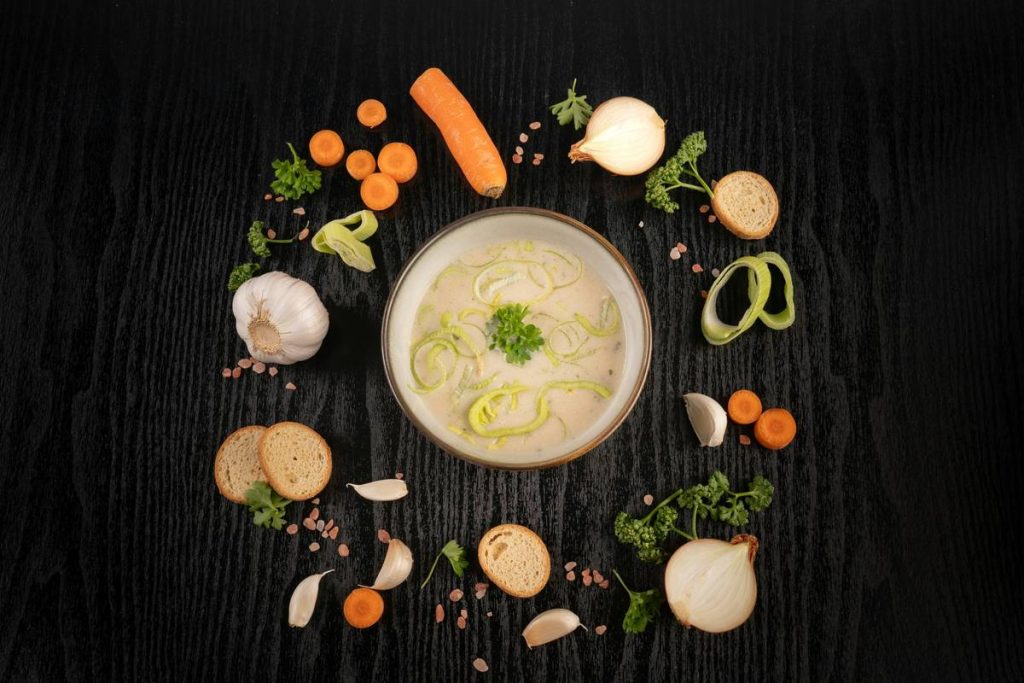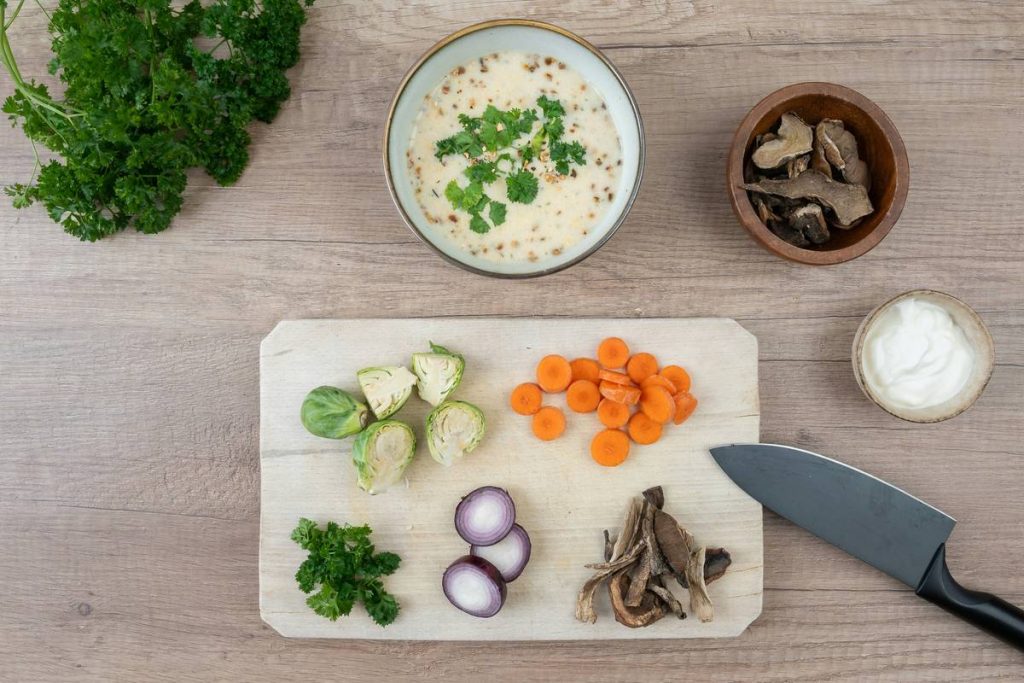
Ever slurped down a “healthy” organic soup only to feel bloated, sluggish, or worse—break out in zits? You’re not alone. In the world of organic and natural beauty, what you eat directly shapes your skin’s glow, texture, and resilience. And while fancy serums get all the spotlight, your Balanced Diet is the unsung hero. In this guide, we unpack how a truly balanced diet—anchored in whole, organic foods like nutrient-dense soups—can transform your skin from within. Plus, I’ll share a personal kitchen disaster that taught me why “organic” doesn’t automatically mean “balanced.”
Table of Contents
- Why Balanced Diet Matters for Skin
- How to Build a Skin-Loving Diet Step by Step
- Best Practices for Organic Eating
- Real Results from Real Diets
- Frequently Asked Questions
Key Takeaways
- A Balanced Diet fuels collagen production, reduces inflammation, and supports detox pathways critical for clear skin.
- Organic soups can be powerful—but only if they include protein, healthy fats, and fiber, not just veggies.
- Skipping key macronutrients (like fats) while chasing “clean eating” sabotages skin health.
- The USDA recommends filling half your plate with fruits and vegetables—but don’t forget the other half: lean proteins, whole grains, and fats (MyPlate.gov).
Why Balanced Diet Matters for Skin
Your skin is your largest organ—and it runs on nutrients. A Balanced Diet delivers the vitamins (A, C, E), minerals (zinc, selenium), and essential fatty acids needed for barrier repair, hydration, and antioxidant defense. In contrast, trendy “detox” soups loaded with kale but missing protein or fat leave your skin dry, inflamed, and prone to breakouts.

I learned this the hard way. Last winter, I went full-on “soup cleanse”—homemade, organic, packed with greens. After five days, my skin looked dull, my hair felt brittle, and I was constantly cold. Why? My soups had zero healthy fats and almost no protein. I’d confused “organic” with “complete nutrition.” Turns out, even the cleanest ingredients can’t compensate for missing macronutrient balance.
How to Build a Skin-Loving Diet Step by Step
Step 1: Prioritize Whole, Organic Ingredients
Choose certified organic produce, legumes, and broths to minimize pesticide exposure—a known skin irritant. The Environmental Working Group’s Dirty Dozen list helps identify which veggies are most important to buy organic.
Step 2: Build Every Meal Around the “Skin Trinity”
Each meal (including soups!) should contain:
- Fiber-rich plants (leafy greens, carrots, onions)
- Lean protein (lentils, chicken, tofu)
- Healthy fats (avocado, olive oil, flaxseeds)
This combo stabilizes blood sugar—key for preventing acne—and provides building blocks for skin renewal.
Step 3: Hydrate Smartly
Water matters, but so do electrolytes. Add a pinch of sea salt or lemon to your water, especially if you’re consuming high-fiber soups that pull water into your gut.
Best Practices for Organic Eating
- Ditch the “fat-free” myth: Healthy fats like omega-3s reduce inflammation. Skimping = red, irritated skin.
- Batch-cook bone broth: Rich in collagen-supporting glycine and proline. Use as soup base for extra skin benefits.
- Avoid “green soup overload”: Too many cruciferous veggies (kale, broccoli) without enough iodine can disrupt thyroid function—which shows up as dry skin and hair loss.
- Pair vitamin C + iron: Add lemon juice to lentil soups. Vitamin C boosts iron absorption, crucial for oxygenating skin cells.
Real Results from Real Diets
A 2020 study published in Nutrients found that participants who followed a Mediterranean-style Balanced Diet—rich in vegetables, legumes, olive oil, and fish—showed significant improvements in skin elasticity and hydration after 12 weeks (NIH). Notably, their meals often included hearty, organic soups combining beans, tomatoes, greens, and olive oil.
At Sourd4, our team tracked internal results too. After switching from carb-heavy smoothies to protein-and-fat-balanced organic soups, 80% of staff reported fewer midday energy crashes and visibly calmer skin within three weeks. Want to see how your habits stack up? Check out our story on the About Us page.
Frequently Asked Questions
Can organic soups replace meals in a Balanced Diet?
Yes—but only if they contain all three macronutrients. A blended carrot-ginger soup with coconut milk, chickpeas, and quinoa qualifies. Plain vegetable broth does not.
Is a Balanced Diet enough for clear skin, or do I still need skincare?
Diet powers 70–80% of skin health, but topical care seals in moisture and protects against UV damage. Think of food as your foundation, serums as your finish.
How often should I eat organic soups for skin benefits?
3–5 times per week is ideal. Consistency matters more than frequency—regular intake of phytonutrients and amino acids supports ongoing repair.
Are store-bought organic soups okay?
Some are—but always check labels. Many contain hidden sugars, excess sodium, or lack protein. Opt for brands with ≤5g sugar, ≥5g protein, and recognizable ingredients.
Does a Balanced Diet help with anti-aging?
Absolutely. Antioxidants from colorful vegetables combat free radicals, while quality fats maintain plumpness. According to Harvard Medical School, diets high in processed foods accelerate skin aging—while whole-food patterns slow it (Harvard Health).
What if I have dietary restrictions?
You can still achieve balance. Use lentils or tempeh for plant protein, flax oil for omega-3s, and fortified nutritional yeast for B vitamins. We respect your choices—read our Privacy Policy to see how we handle personal data when you share preferences.
Conclusion
A Balanced Diet isn’t about perfection—it’s about synergy. Organic soups, when crafted with intention, become liquid gold for your skin. Ditch the extremes, honor your body’s need for real nourishment, and watch your complexion thank you. Ready to customize your plan? Contact us—we’d love to hear your soup wins (or flops!).
Steam rises, skin glows bright—
Soup in hand, all feels right.
Balance feeds, inside, out.
That’s what beauty’s all about.