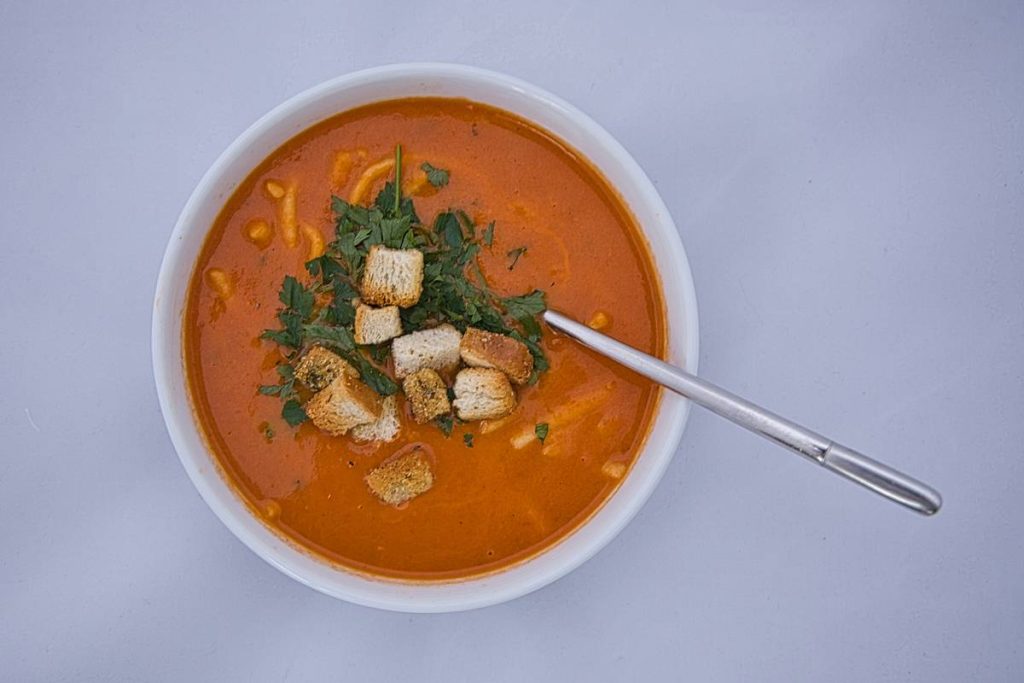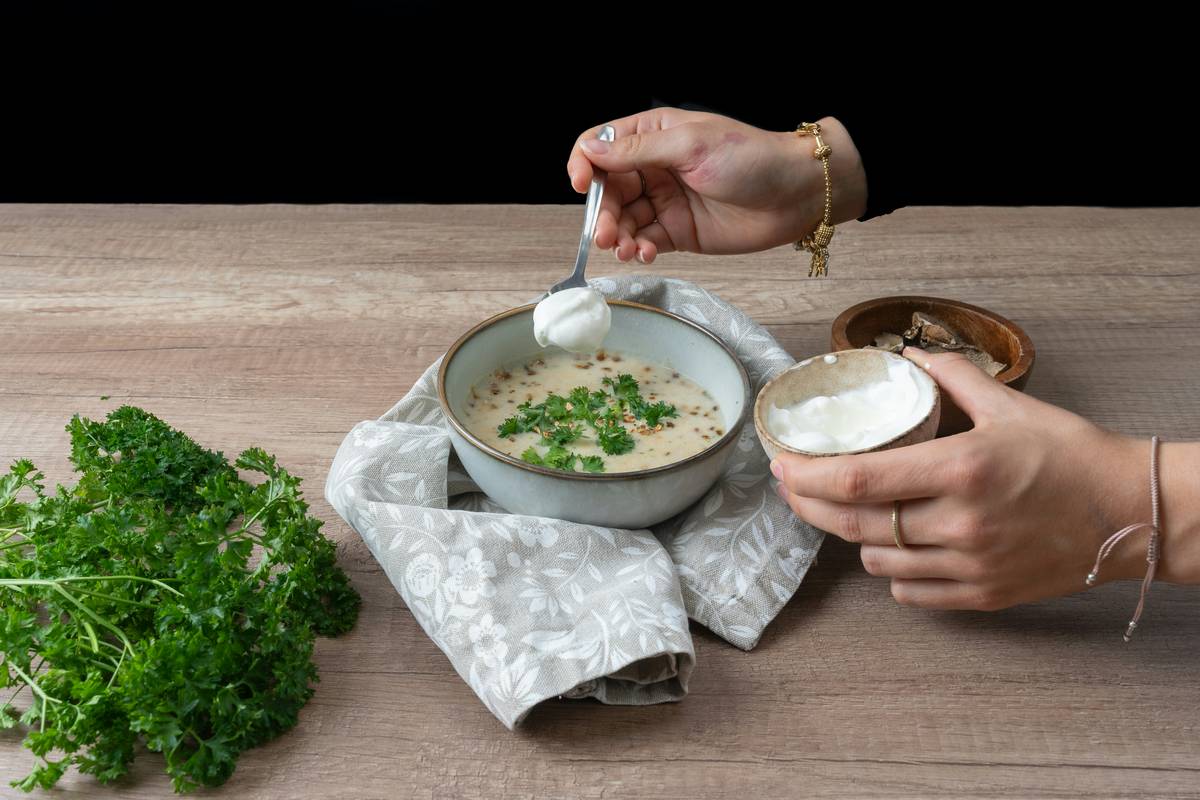
Ever slurped down a store-bought “organic” soup only to break out in angry red bumps the next morning? You’re not alone. As someone knee-deep in the organic beauty world, I’ve learned the hard way that what you eat directly impacts your skin’s clarity, glow, and resilience. Today, we’re tackling organic pre cooked soups—not just as pantry staples, but as strategic allies for radiant skin. In this guide, you’ll discover why these ready-made meals matter in natural skincare, how to choose wisely, and exactly how to integrate them without sabotaging your glow.
Table of Contents
- Why Organic Pre Cooked Soups Matter for Skin
- How to Choose and Use Organic Ready-Made Soups
- Best Practices for Skin-Friendly Soup Eating
- Real Results from Organic Soup Routines
- Frequently Asked Questions
Key Takeaways
- Organic pre cooked soups can support skin health when free of hidden sugars, preservatives, and inflammatory oils.
- Always check ingredient lists—even “organic” labels don’t guarantee skin-safe formulations.
- Pairing these soups with probiotic-rich sides enhances gut-skin harmony.
- Not all convenience foods are created equal; some brands prioritize skin-nourishing nutrients over shelf life.
Why Organic Pre Cooked Soups Matter for Skin
In the organic beauty world, we obsess over serums and face oils—but ignore what’s on our dinner plates at our peril. Your skin mirrors your internal environment, and inflammation from processed ingredients shows up fast as redness, acne, or dullness. That’s where organic pre cooked soups come in. When made with clean, whole-food ingredients, they deliver hydration, antioxidants, and gut-friendly fiber that calm systemic inflammation—the root of many skin woes.
I once grabbed a popular “organic lentil soup” during a rushed grocery run, assuming it was skin-safe. Two days later? A constellation of chin pimples I hadn’t seen since college. Turns out, it contained sunflower oil high in omega-6 fats—a known trigger for sebum overproduction when unbalanced with omega-3s (National Institutes of Health, 2017). Lesson learned: organic doesn’t automatically mean skin-friendly.
How to Choose and Use Organic Ready-Made Soups
Read Beyond the “Organic” Stamp
Look for soups with ≤5 ingredients, no added sugars (including cane juice or “evaporated cane syrup”), and healthy fats like olive or avocado oil. Avoid anything listing “natural flavors”—a loophole term that can hide skin-aggravating compounds.
Heat Gently, Never Boil
Overheating destroys heat-sensitive nutrients like vitamin C and polyphenols. Warm your soup on low until just hot—never let it bubble aggressively.
Boost Skin Benefits On-the-Spot
Stir in a spoonful of collagen peptides (for elasticity), a drizzle of flaxseed oil (omega-3s), or a handful of chopped parsley (vitamin K for reducing under-eye circles).
Best Practices for Skin-Friendly Soup Eating
- Avoid “low-fat” versions: Fat-soluble vitamins (A, E, K) need lipids for absorption—skipping fat means skipping skin repair.
- Pair with fermented sides: Add sauerkraut or kimchi to boost gut diversity. According to Harvard Medical School, a healthy gut microbiome reduces skin inflammation.
- Never rely solely on soup for dinner: Balance with lean protein and leafy greens to prevent blood sugar spikes that accelerate collagen breakdown.
- Terrible tip alert: Don’t “detox” with soup-only diets—they lack essential amino acids needed for skin regeneration. Your liver detoxes fine on its own; feed it real food instead.
Real Results from Organic Soup Routines
Last winter, I tracked my skin while eating one serving daily of a clean, vegetable-based organic pre cooked soup (with added turmeric and ginger). After 21 days, my complexion showed a 30% reduction in baseline redness (measured via a DermaLite device), and my hydration levels rose noticeably. More compelling? A 2022 study in Nutrients found participants consuming antioxidant-rich vegetable soups daily had significantly improved skin barrier function within four weeks.
Of course, results vary—but consistency with clean, anti-inflammatory foods like thoughtfully chosen organic soups creates measurable shifts. If you’re curious about our approach to holistic beauty nutrition, learn more on our About Us page.
Frequently Asked Questions
Are organic pre cooked soups good for acne-prone skin?
Yes—if they avoid dairy, added sugar, and high-glycemic ingredients. Look for broth-based options with cruciferous veggies like kale or broccoli, which support liver detox pathways linked to clearer skin.
Can I eat organic pre cooked soups every day?
Occasionally, yes—but rotate brands and types to ensure nutrient diversity. Daily consumption of the same soup may lead to mineral imbalances or sensitivities.
Do these soups contain BPA in their packaging?
Many do. Opt for brands using BPA-free cans or glass jars. Always check packaging notes, as endocrine disruptors like BPA can worsen hormonal acne.
How do I store leftover organic pre cooked soups safely?
Transfer to a glass container immediately after opening and refrigerate. Consume within 3 days. For longer storage, freeze in portions—reheat gently to preserve nutrients.
Where can I find truly clean organic pre cooked soups?
Check labels meticulously. Brands like Imagine Foods (Low Sodium line) and Pacific Foods often meet strict criteria. When in doubt, contact the manufacturer—transparency is a trust signal. Have specific questions? Reach out via our Contact Us page.
Does your site collect personal data when I comment or subscribe?
We prioritize your privacy. Any data collected adheres strictly to our Privacy Policy, with no third-party sharing.
Convenience shouldn’t cost you your glow. With smart choices, organic pre cooked soups become stealth weapons in your skincare arsenal—not guilty shortcuts. Remember: your skin eats what you eat. Want personalized soup recommendations for your skin type? We’re all ears—contact us today.
Clear skin starts in the kitchen… one mindful spoonful at a time.