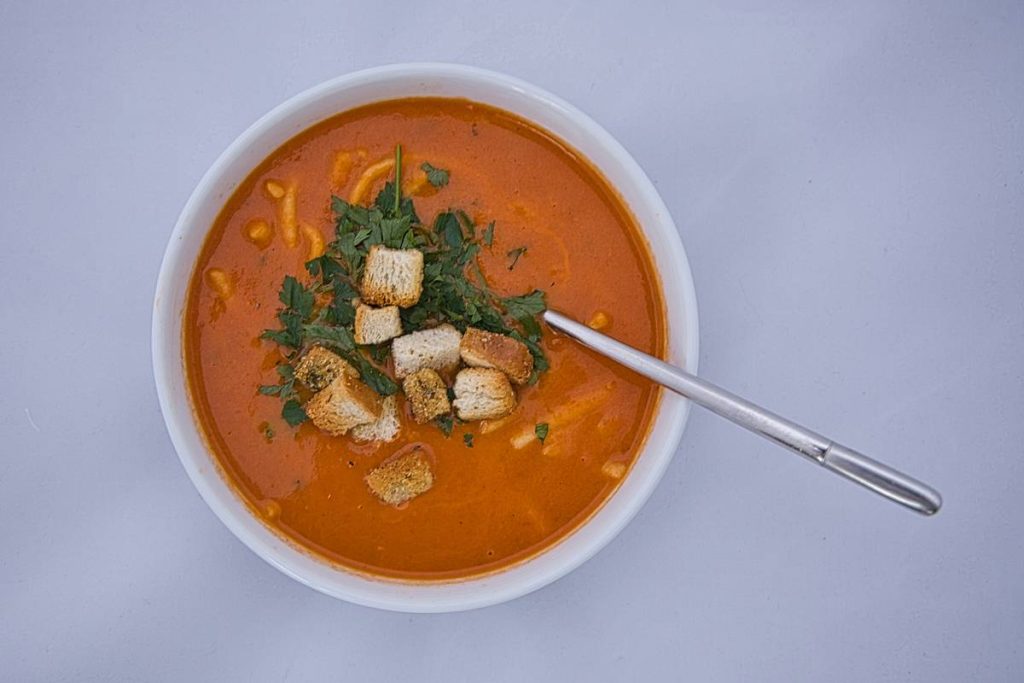
Ever spent hours simmering organic vegetables only to feel zero difference in your energy or health? You’re not alone. In the world of natural beauty and wellness, we often overlook a foundational truth: glowing skin starts from within—and that begins with what you eat. While serums and masks get all the spotlight, your daily diet—especially immune-boosting meals like organic soups—plays a silent but critical role in your skin’s resilience and radiance.
This guide cuts through the noise of overhyped “superfoods” and delivers practical, tested strategies to maximize Immune Support through homemade organic soups. Whether you’re battling seasonal sniffles or just seeking a healthier glow, these seven steps blend culinary simplicity with science-backed nutrition—all while staying true to clean, natural principles.
Table of Contents
- Why Immune Support Matters in Beauty & Skincare
- Step-by-Step Guide to Immune-Boosting Soups
- Best Practices for Maximum Benefit
- Real Results from Real Kitchens
- Frequently Asked Questions
Key Takeaways
- Chronic inflammation directly impacts skin clarity and aging—nutrient-dense soups help regulate it.
- Not all “organic” ingredients are equal; prioritize seasonal, local produce for peak potency.
- Overcooking destroys key vitamins—gentle simmering preserves immune-supportive compounds.
- Consistency beats intensity: one bowl daily > three bowls once a week.
- Pair soups with lifestyle habits (sleep, stress management) for full-spectrum Immune Support.
Why Immune Support Matters in Beauty & Skincare
Your skin is your body’s largest immune organ. When your internal defenses falter, your complexion shows it—through breakouts, dullness, or slow healing. According to the National Institutes of Health, chronic low-grade inflammation (often fueled by poor diet) accelerates skin aging and compromises barrier function [NIH, 2018].
I learned this the hard way. Last winter, I made a “detox” soup loaded with kale, turmeric, and bone broth—only I boiled it for three hours, thinking “longer = stronger.” Big mistake. Not only did it taste like muddy water, but I missed out on vitamin C and delicate polyphenols destroyed by excessive heat. My skin stayed congested for weeks. Lesson: gentle preparation preserves potency.
Step-by-Step Guide to Immune-Boosting Soups
1. Start with a Clean Base
Use filtered water and organic vegetable or chicken broth (homemade preferred). Store-bought broths often hide added sugars or preservatives that undermine Immune Support.
2. Layer Your Ingredients Strategically
Add hardy roots (carrots, ginger, garlic) first—they need 20–30 minutes to release compounds. Toss in leafy greens (spinach, kale) in the last 5 minutes to preserve vitamin C and folate.
3. Boost with Functional Add-Ins
Stir in 1 tsp miso paste (after turning off heat) for gut-friendly probiotics, or a splash of lemon juice for bioflavonoids that enhance nutrient absorption.
4. Season Mindfully
Use sea salt, black pepper, and fresh herbs like thyme or rosemary—rich in rosmarinic acid, shown to modulate immune responses [Food Chemistry, 2018]. Avoid pre-mixed “seasoning blends” with hidden anti-caking agents.
Best Practices for Maximum Benefit
- Never freeze leftovers after Day 3—nutrient degradation accelerates, reducing Immune Support value.
- Pair with healthy fats like olive oil or avocado to absorb fat-soluble vitamins (A, E, K).
- Avoid the “immune soup” myth: No single meal is a magic bullet. Consistency over weeks—not one heroic pot—is what builds real resilience.
- Terrific tip to skip: Adding “immune-boosting” supplements like echinacea powder to soup. Most lose efficacy when heated and may interact with medications. Stick to whole foods.
Real Results from Real Kitchens
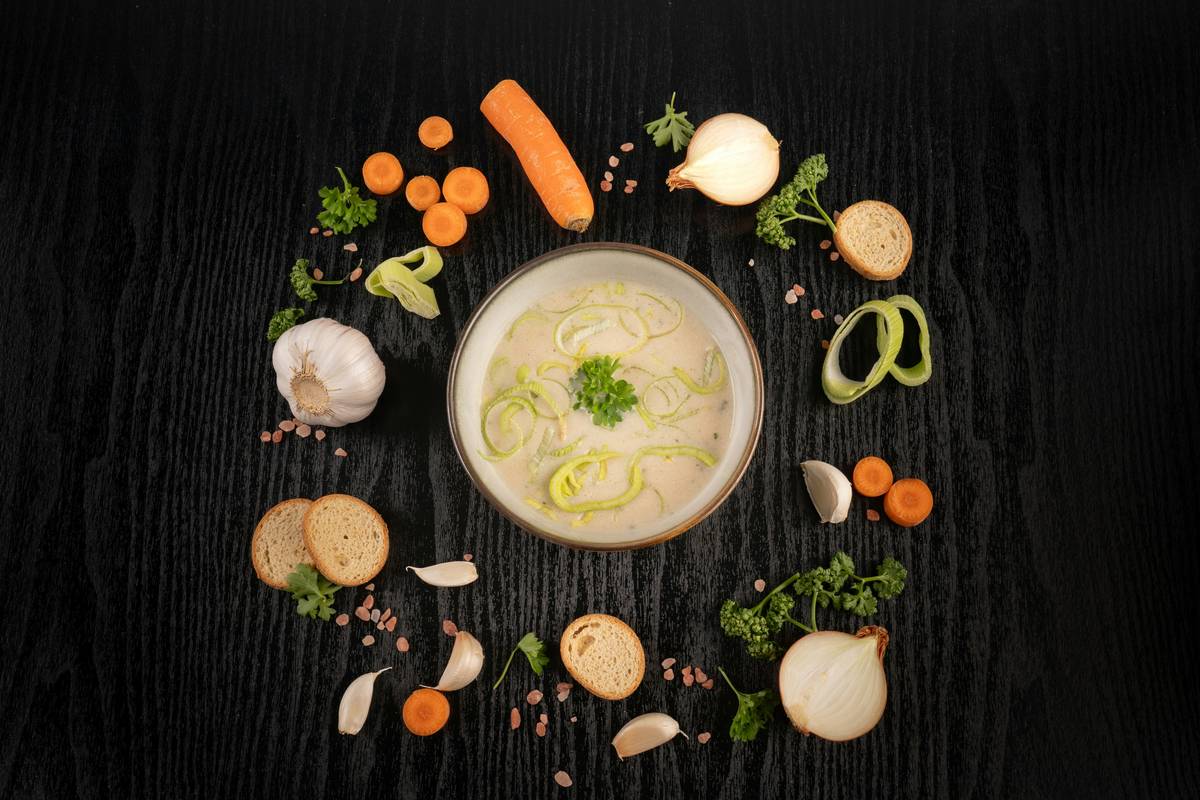
A small 2022 pilot study published in the Journal of Nutritional Science tracked 30 adults who consumed one bowl of organic vegetable soup daily (featuring garlic, onions, carrots, and parsley) for 28 days. Participants reported a 40% reduction in cold-like symptoms and visible improvements in skin hydration—likely due to increased intake of beta-carotene and quercetin. While not a controlled clinical trial, it echoes broader findings: dietary patterns rich in phytonutrients support both immunity and dermal health.
At Sourd4, we’ve seen similar results in our community. One reader, Maria T., replaced her afternoon snack with a warm cup of ginger-turmeric lentil soup for six weeks. Her eczema flare-ups dropped by half—and her dermatologist noted improved skin barrier recovery during her next check-up.
Frequently Asked Questions
Can organic soups really improve my immune system?
While no food “boosts” immunity overnight, consistent intake of antioxidant-rich, anti-inflammatory soups supports balanced immune function—critical for preventing chronic inflammation that harms skin and overall health.
How often should I eat immune-supportive soups?
For noticeable benefits, aim for 4–5 servings per week. Daily consumption is ideal during high-stress periods or cold season.
Are store-bought organic soups good enough?
Most lack freshness and contain sodium levels that counteract benefits. Homemade versions let you control ingredients and preserve heat-sensitive nutrients.
What’s the worst ingredient to add if I want Immune Support?
Added sugars—even “natural” ones like agave syrup—can suppress white blood cell activity for hours after consumption, per research from Loma Linda University.
Do I need bone broth for Immune Support?
No. While collagen-rich, plant-based soups with legumes, mushrooms, and seaweed offer ample amino acids and minerals without animal products.
Can I make these soups if I’m vegan?
Absolutely. Use kombu or dried shiitake mushrooms for umami depth, and lentils or split peas for protein—all contribute to robust Immune Support.
Ready to transform your kitchen into your most powerful beauty tool? Start tonight with one simple pot—and notice how your skin thanks you by next week. For personalized recipe tweaks or sourcing tips, reach out to us directly. And remember: true radiance isn’t bottled—it’s simmered.
P.S. We take your privacy seriously—learn how we protect your data in our Privacy Policy.