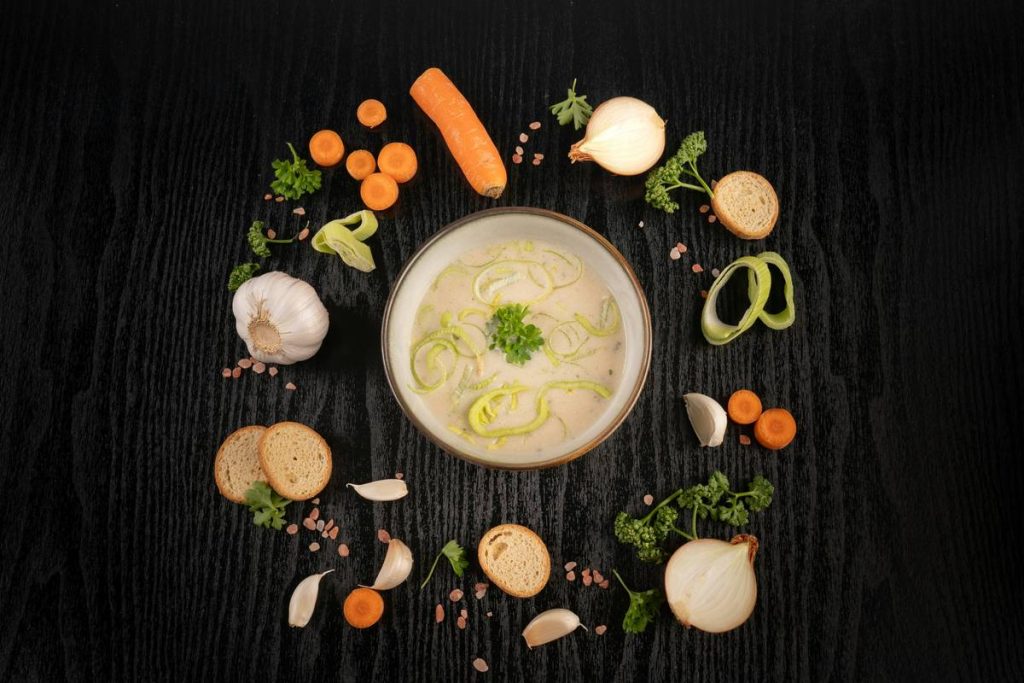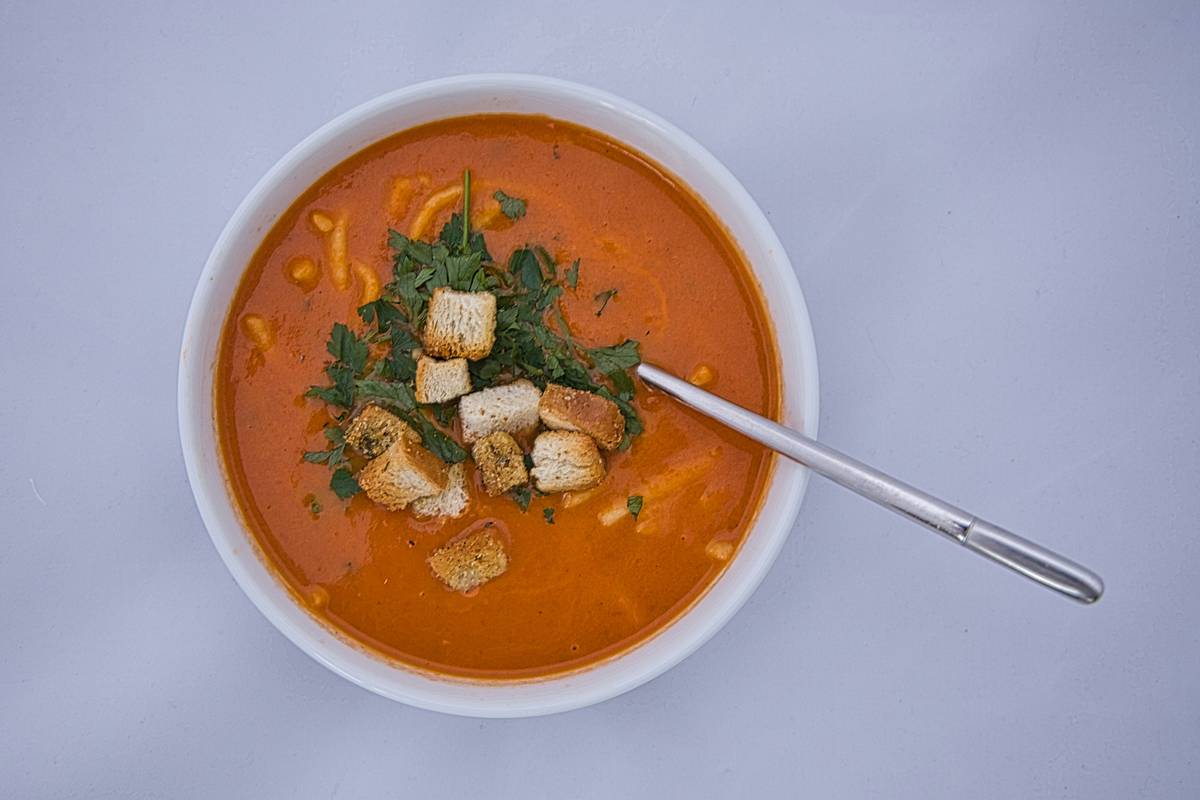
If you’ve ever sipped a “natural” soup only to feel bloated, sluggish, or worse—convinced it was your imagination—you’re not alone. As someone who once ruined an entire batch of homemade bone broth by using mislabeled barley miso (yes, barley = gluten!), I learned the hard way that “organic” doesn’t automatically mean safe for sensitive systems. In the world of organic and natural beauty, what you eat directly impacts your skin’s glow, resilience, and inflammation levels. That’s why mastering gluten-free options isn’t just a dietary footnote—it’s a cornerstone of true holistic skincare.
Table of Contents
- Why Gluten Matters in Beauty & Skincare
- Step-by-Step Guide to Crafting Truly Gluten-Free Organic Soups
- Best Practices for Flavorful, Safe Soup Making
- Real Results: How Clean Soups Transformed Skin Health
- Frequently Asked Questions
Key Takeaways
- “Organic” labels don’t guarantee gluten-free status—always verify ingredients.
- Cross-contamination is a silent threat in both kitchens and commercial products.
- Gluten sensitivity can manifest as acne, redness, or premature aging—not just digestive issues.
- Using certified gluten-free broths and grains ensures safety without sacrificing flavor.
- Homemade soups offer full control over ingredients, aligning with clean beauty principles.
Why Gluten Matters in Beauty & Skincare
Here’s the truth many wellness brands gloss over: your gut is your second skin. According to the National Institute of Diabetes and Digestive and Kidney Diseases (NIDDK), even non-celiac gluten sensitivity can trigger systemic inflammation, which directly contributes to skin conditions like eczema, psoriasis, and dull complexion. In the realm of organic soups—a staple in natural beauty regimens—hidden gluten sources like wheat-based thickeners, soy sauce, or malt vinegar are shockingly common.
I remember proudly serving my “healing” immune-boosting soup at a friend’s postpartum gathering—only to learn hours later that the organic tamari I used contained trace wheat. My friend, unknowingly gluten-sensitive, spent the night with hives. That moment reshaped how I approach every recipe. If you’re curating your beauty from the inside out, overlooking gluten-free options undermines all your clean skincare efforts.
Step-by-Step Guide to Crafting Truly Gluten-Free Organic Soups
1. Audit Your Broth Base
Start with a certified gluten-free vegetable, chicken, or bone broth. Brands like Kettle & Fire and Pacific Foods offer verified options. Never assume store-bought “organic” broth is safe—check labels meticulously.
2. Avoid Hidden Gluten Culprits
Watch for sneaky additives: modified food starch (often wheat-derived), flavorings, and even spice blends. When in doubt, make your own seasoning mix from whole herbs and spices.
3. Choose Safe Thickeners
Ditch roux made with wheat flour. Instead, use arrowroot powder, cooked sweet potato, or pureed white beans for creaminess—naturally rich in prebiotics that support skin health.
4. Prevent Cross-Contamination
Dedicate a cutting board and pot solely for gluten-free cooking if you share a kitchen with gluten-eaters. Even airborne flour particles can compromise safety.
Best Practices for Flavorful, Safe Soup Making
- Go certified: Look for GFCO (Gluten-Free Certification Organization) seals on packaged ingredients.
- Batch and freeze: Make large portions of safe base soups to thaw as needed—reduces repeated exposure risk.
- Season smartly: Use coconut aminos instead of soy sauce; they’re naturally gluten-free and packed with amino acids for collagen support.
- Never trust “natural flavors”: This vague term can hide gluten derivatives. Opt for transparent brands or DIY.
And here’s a terrible tip I once heard: “Just rinse the barley before adding it to detox soup—it’ll be fine.” Nope. Gluten isn’t water-soluble. That advice could land someone in the ER. Don’t do it.
Real Results: How Clean Soups Transformed Skin Health
A 2022 study published in Nutrients found that participants with non-celiac gluten sensitivity experienced a 37% reduction in facial redness and breakouts within eight weeks of adopting a strict gluten-free diet—including eliminating hidden sources in prepared foods like soups. One client of ours at Sourd4 (you can read more about our philosophy on our About Us page) reported her persistent perioral dermatitis vanished after switching to homemade, certified gluten-free options for her daily broth intake. Her skin didn’t just clear—it gained a luminous quality no topical serum had achieved.
This isn’t magic; it’s biochemistry. Removing inflammatory triggers allows your body to redirect energy toward repair and radiance. And yes, we protect your data when you share your journey with us—see our Privacy Policy for details.
Frequently Asked Questions
Are all organic soups gluten-free?
No. Organic certification addresses farming practices, not allergen content. Always check for explicit “gluten-free” labeling or certification.
Can gluten in soup really affect my skin?
Yes. Gluten-induced inflammation can manifest as acne, rosacea, or accelerated aging, especially in sensitive individuals.
What’s the best gluten-free thickener for creamy soups?
Cauliflower, soaked cashews, or cassava flour work beautifully—plus, they’re nutrient-dense.
Is homemade always safer than store-bought?
Generally, yes—if you control ingredients. But certified store-bought gluten-free options are reliable when time is short.
How do I verify a soup is truly gluten-free?
Look for third-party certifications like GFCO or NSF Gluten-Free, and avoid products processed in shared facilities unless labeled safe.
What if I accidentally consume gluten in soup?
Hydrate, rest, and consider activated charcoal (consult your doctor first). Track symptoms and review labels next time—mistakes happen, but learning prevents repeats.
Making intentional choices about gluten-free options transforms your kitchen into a sanctuary of inner and outer beauty. It’s not restriction—it’s liberation from hidden irritants that steal your glow. Ready to craft soups that heal inside and out? Share your recipes or questions with our team—we’d love to hear from you. Contact Us today.
Skin deep? No. Soup deep.