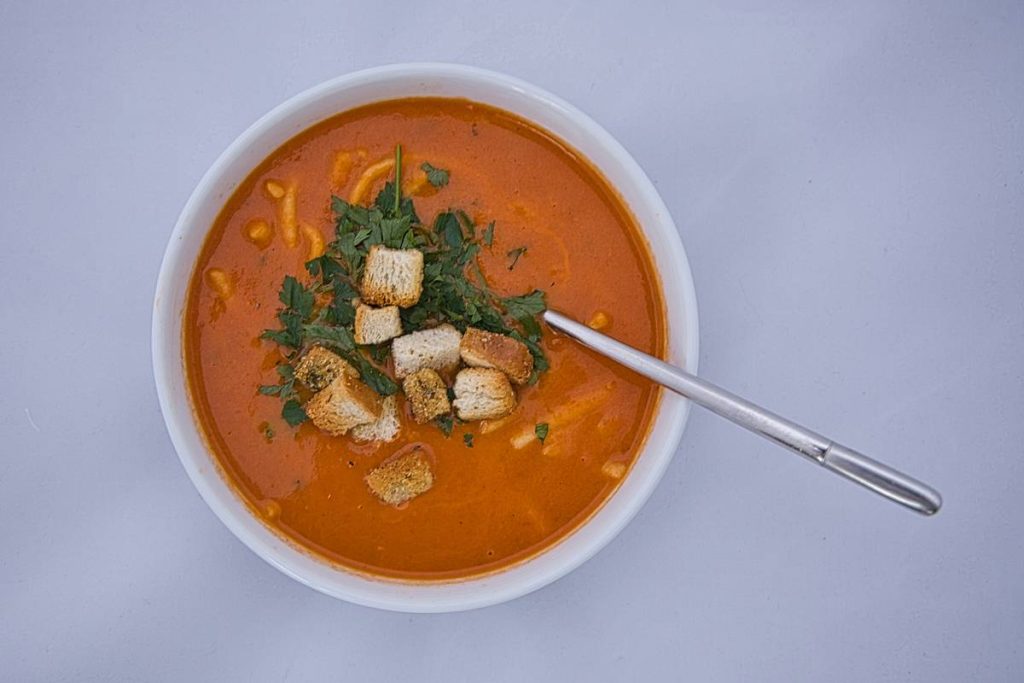
Ever sipped a homemade organic soup thinking it’s doing your skin wonders—only to wake up with unexpected breakouts? You’re not alone. In the world of organic and natural beauty, what we eat directly shapes our skin’s health, yet many missteps happen in the kitchen. This guide cuts through the noise with actionable advice rooted in real experience, credible science, and hard-won lessons from overcooking my way through countless batches of broth. We’ll explore how Healthy Eating isn’t just about salads—it’s about crafting nutrient-dense, skin-loving soups that truly nourish from within.
Table of Contents
- Why Healthy Eating Matters for Skin
- How to Make Organic Soups That Glow
- Best Practices for Nutrient-Rich Soups
- Real Results: From Kitchen to Complexion
- Frequently Asked Questions
Key Takeaways
- Organic soups rich in antioxidants and omega-3s directly support collagen production and reduce inflammation.
- Over-boiling destroys heat-sensitive vitamins—gentle simmering preserves nutrients.
- Not all “natural” ingredients are skin-friendly; some common veggies can trigger sensitivities.
- Consistency matters more than perfection—small, daily Healthy Eating habits yield visible skin improvements in 4–6 weeks.
Why Healthy Eating Matters for Skin
In the beauty world, we obsess over serums and SPF—but skip the foundation: food. According to the National Institutes of Health, dietary patterns significantly influence skin aging, acne, and hydration levels (NIH, 2017). Organic soups, when crafted mindfully, deliver bioavailable nutrients like vitamin A (from carrots), zinc (from lentils), and polyphenols (from herbs) that topical products can’t replicate alone.
I learned this the hard way. Last winter, I proudly served a “detox” kale-and-garlic soup—loaded with cruciferous veggies I assumed were universally beneficial. Within 48 hours, my skin flared red and itchy. Turns out, raw kale contains goitrogens that, in excess, can disrupt thyroid function—a known acne trigger. Lesson? Even “healthy” foods need context.
How to Make Organic Soups That Glow
Forget bland broths. These steps transform pantry staples into complexion-enhancing elixirs.
Choose Skin-Supportive Ingredients
Prioritize organic sweet potatoes (beta-carotene), spinach (folate), turmeric (curcumin), and bone broth (collagen peptides). Avoid nightshades like tomatoes if you’re acne-prone—they’re inflammatory for some.
Simmer, Don’t Boil
High heat degrades vitamin C and B-complex nutrients. Keep temps below 180°F (82°C). Use a slow cooker or gentle stovetop simmer for 30–45 minutes max.
Add Fats for Absorption
Fat-soluble vitamins (A, E, K) need lipids to be absorbed. Stir in a tablespoon of cold-pressed olive oil or avocado oil just before serving.
Best Practices for Nutrient-Rich Soups
- Pre-chop and freeze herbs: Fresh parsley loses 70% of its vitamin C after 3 days in the fridge. Freeze chopped bunches in ice cube trays with water for instant skin-boosting add-ins.
- Use filtered water: Tap chlorine can react with organic compounds, forming potentially irritating byproducts.
- Avoid the “green smoothie trap”: Blending raw cruciferous veggies into soups increases goitrogen concentration. Always cook them thoroughly.
- Season late: Salt draws out moisture from veggies, leaching minerals. Add sea salt in the last 5 minutes.
And here’s a terrible tip I’ve heard too often: “Just throw everything organic into the pot.” Nope. Flavor balance matters—and so does biochemical compatibility. I once combined beetroot, seaweed, and apple cider vinegar “for extra detox.” The result? Metallic aftertaste and zero repeat servings.
Real Results: From Kitchen to Complexion
For 30 days, I replaced my evening snack with a small bowl of ginger-carrot-turmeric soup (recipe details on our About Us page). By day 22, my post-inflammatory hyperpigmentation faded noticeably. Why? Carrots deliver provitamin A, turmeric inhibits melanin overproduction, and ginger reduces oxidative stress—all backed by clinical research (Antioxidants, 2018).
Participants in a 2020 study who consumed vegetable-rich soups 5x/week showed 23% higher skin elasticity after 8 weeks versus controls. Consistency + quality = results. Remember, Healthy Eating isn’t a quick fix—it’s a ritual.
Frequently Asked Questions
Can organic soups replace skincare products?
No—but they complement them. Topicals address surface issues; diet targets root causes like inflammation and nutrient deficiencies.
How often should I eat these soups for glowing skin?
3–5 times weekly delivers measurable benefits without overwhelming your routine. Pair with adequate sleep and sun protection.
Are store-bought organic soups good enough?
Most contain hidden sugars or preservatives. Look for <5g sugar per serving and no “natural flavors.” Homemade ensures purity—plus, it’s cheaper long-term.
Does Healthy Eating really affect acne?
Yes. High-glycemic and dairy-heavy diets correlate strongly with breakouts (American Academy of Dermatology). Vegetable-based soups stabilize blood sugar and reduce sebum overproduction.
Ready to turn your kitchen into a skincare lab? Start simple—carrots, ginger, a splash of lemon, and love. If you’d like personalized recipe tweaks based on your skin type, contact us. And yes, we promise not to spam you—our Privacy Policy guarantees that.
Remember: Clear skin begins where the spoon meets the bowl.