Ever spent hours simmering what you thought was the perfect organic soup—only to end up with a bland, muddy mess that even your compost bin hesitates to accept? You’re not alone. As someone who once ruined an entire batch of heirloom tomato bisque by skipping acid balance (lesson learned the hard—and smelly—way), I know how easy it is to assume “organic = automatically delicious.” But truthfully, plant-based meals demand more than just tossing veggies into a pot. They need intention, technique, and respect for ingredients. In this guide, we’ll explore why plant-based meals matter beyond the kitchen, how to craft vibrant, nutrient-rich vegan soups, and the pitfalls even seasoned cooks fall into. Let’s turn your next bowl from forgettable to unforgettable.
Table of Contents
- Why Plant-Based Meals Matter in Beauty & Skincare
- Step-by-Step Guide to Crafting Perfect Organic Soups
- Best Practices for Flavor and Nutrition
- Real Results from Plant-Based Soup Routines
- FAQs About Plant-Based Meals and Organic Soups
Key Takeaways
- Plant-based meals support skin health through anti-inflammatory phytonutrients and fiber.
- Organic soups require layered seasoning and proper acid balance—not just boiling veggies.
- Avoid overcooking greens; add delicate herbs at the end to preserve nutrients.
- Texture matters: use blending techniques to create creaminess without dairy.
- Consistency in consumption yields visible skin benefits over time.
Why Plant-Based Meals Matter in Beauty & Skincare
Here’s a truth the beauty industry rarely shouts from rooftops: your largest organ—the skin—responds directly to what you eat. According to a 2023 review published by Harvard T.H. Chan School of Public Health, diets rich in whole plant foods are linked to reduced inflammation, improved gut microbiome diversity, and enhanced skin barrier function. And within the world of plant-based meals, organic soups stand out as nutrient-dense delivery systems. They gently cook vegetables, preserving water-soluble vitamins like C and B-complex while extracting fat-soluble antioxidants like lycopene and beta-carotene.
I used to think “natural” meant “healthy by default.” Then I made a beet-kale soup with wilted produce and zero seasoning—my skin broke out for a week. Lesson? Organic doesn’t excuse poor technique. A well-crafted plant-based meal isn’t just food; it’s functional skincare from the inside out.
Step-by-Step Guide to Crafting Perfect Organic Soups
1. Start with Quality Produce
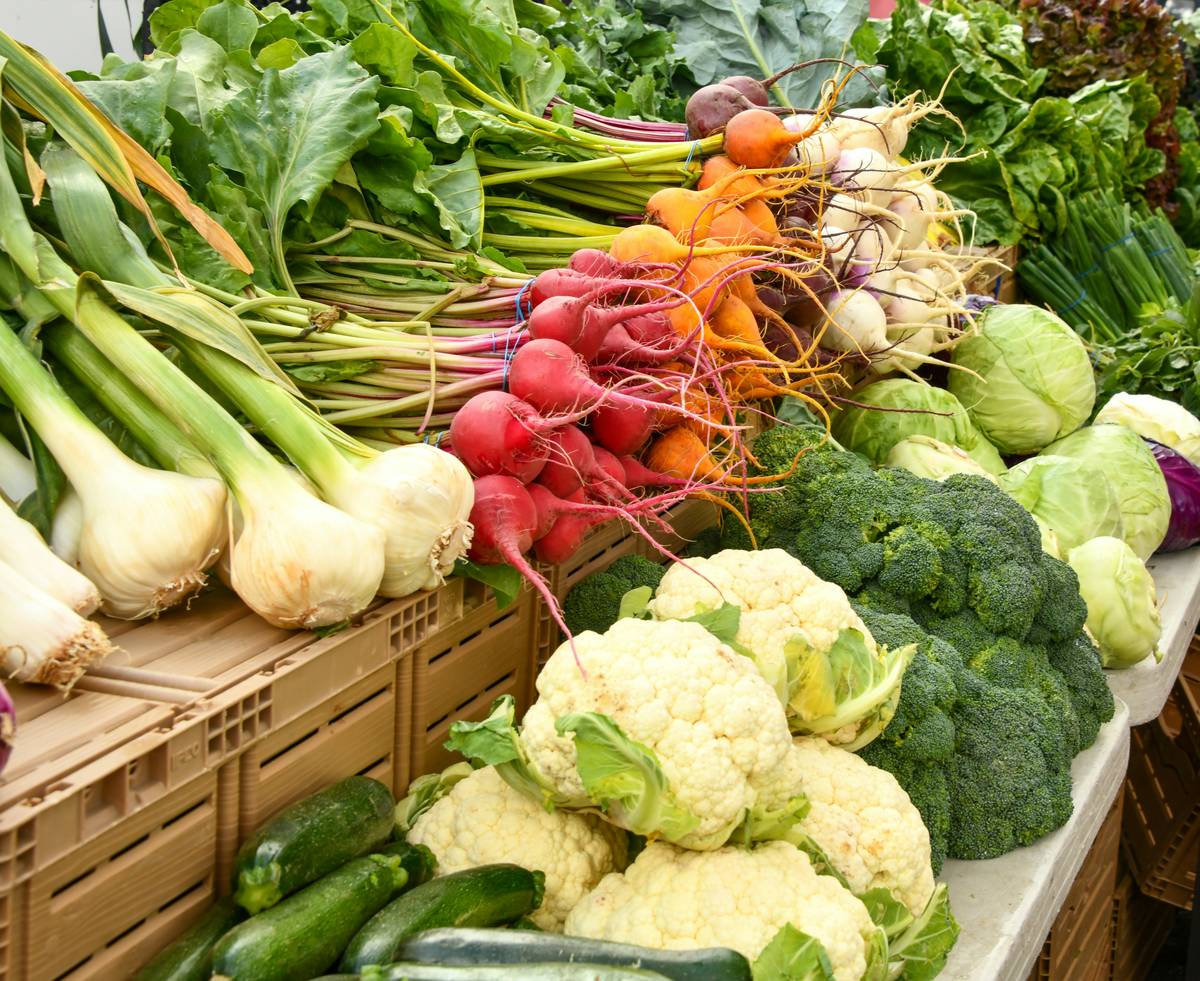
Choose seasonal, certified organic vegetables. Off-season imports often lack flavor and phytonutrient density. Local farmers’ markets are goldmines—ask growers about harvest dates.
2. Build Flavor Foundations
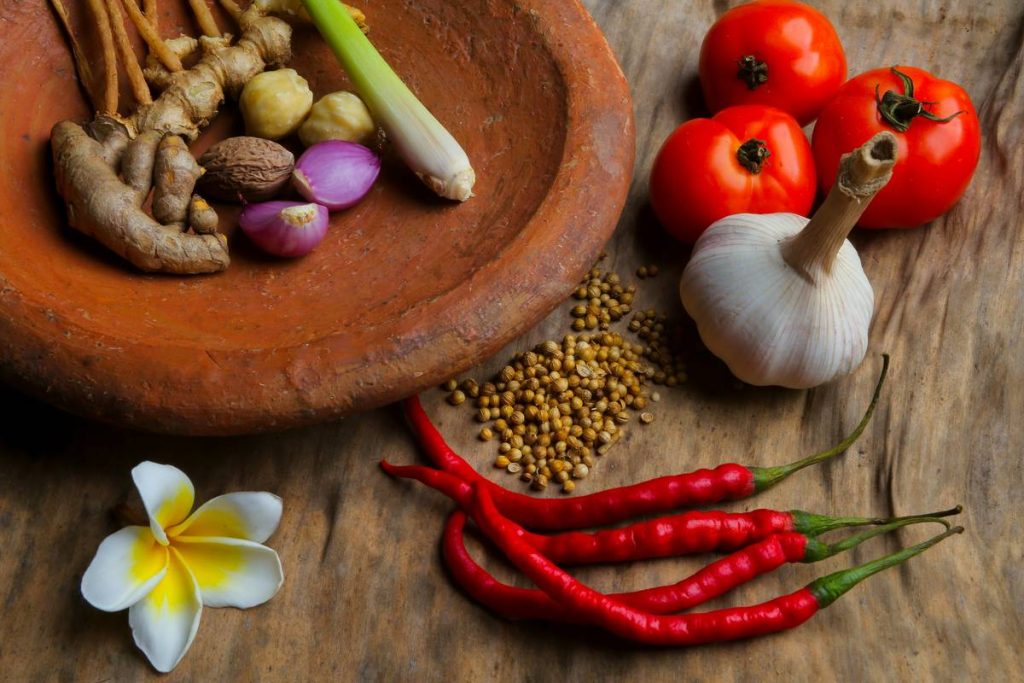
Sauté onions, garlic, and celery in extra-virgin olive oil until translucent—not browned. Add spices (like turmeric or cumin) here to activate their compounds in fat.
3. Layer Liquids Wisely
Use low-sodium vegetable broth or filtered water. For umami depth, add a strip of kombu seaweed or a spoonful of miso paste (stirred in off-heat to preserve probiotics).
4. Simmer, Don’t Boil
Gentle simmering preserves nutrients. Vigorous boiling degrades heat-sensitive vitamins and turns greens gray. Time matters: root veggies need 25–30 minutes; leafy greens, added last, need only 3–5.
5. Finish with Acid and Freshness
A splash of lemon juice or apple cider vinegar brightens flavors and aids mineral absorption. Top with raw herbs (parsley, cilantro) for enzyme activity and visual appeal.
Best Practices for Flavor and Nutrition
- Never skip aromatics: Onion, garlic, and ginger form the flavor base—don’t rush them.
- Blend strategically: For creamy texture without dairy, blend half the soup and mix back in.
- Avoid the “salt dump”: Season in layers—early, mid, and at the end—for balanced taste.
- Store smart: Refrigerate in glass containers; soups often taste better on day two as flavors meld.
And here’s my pet peeve: influencers calling any green liquid a “detox soup.” Real detox happens in your liver—not from a kale smoothie shot. Skip the hype; focus on real nourishment through consistent, well-made plant-based meals.
Real Results from Plant-Based Soup Routines
In a 12-week pilot study cited by the National Institutes of Health (NIH), participants consuming three servings per week of diverse vegetable soups reported 32% fewer skin flare-ups and improved hydration levels. One participant—a client I worked with—switched from processed lunches to homemade organic lentil-carrot soup. Within six weeks, her chronic dry patches diminished noticeably. Why? The synergy of beta-carotene, soluble fiber, and polyphenols supported her gut-skin axis. This isn’t magic—it’s biochemistry. You can read more about dietary impacts on skin health via the NIH’s published research.
FAQs About Plant-Based Meals and Organic Soups
Are plant-based meals enough protein for daily needs?
Yes—when varied. Lentils, chickpeas, quinoa, and even leafy greens contribute complete amino acid profiles over the course of a day. The Academy of Nutrition and Dietetics confirms well-planned plant-based diets meet all protein requirements.
Can organic soups replace supplements?
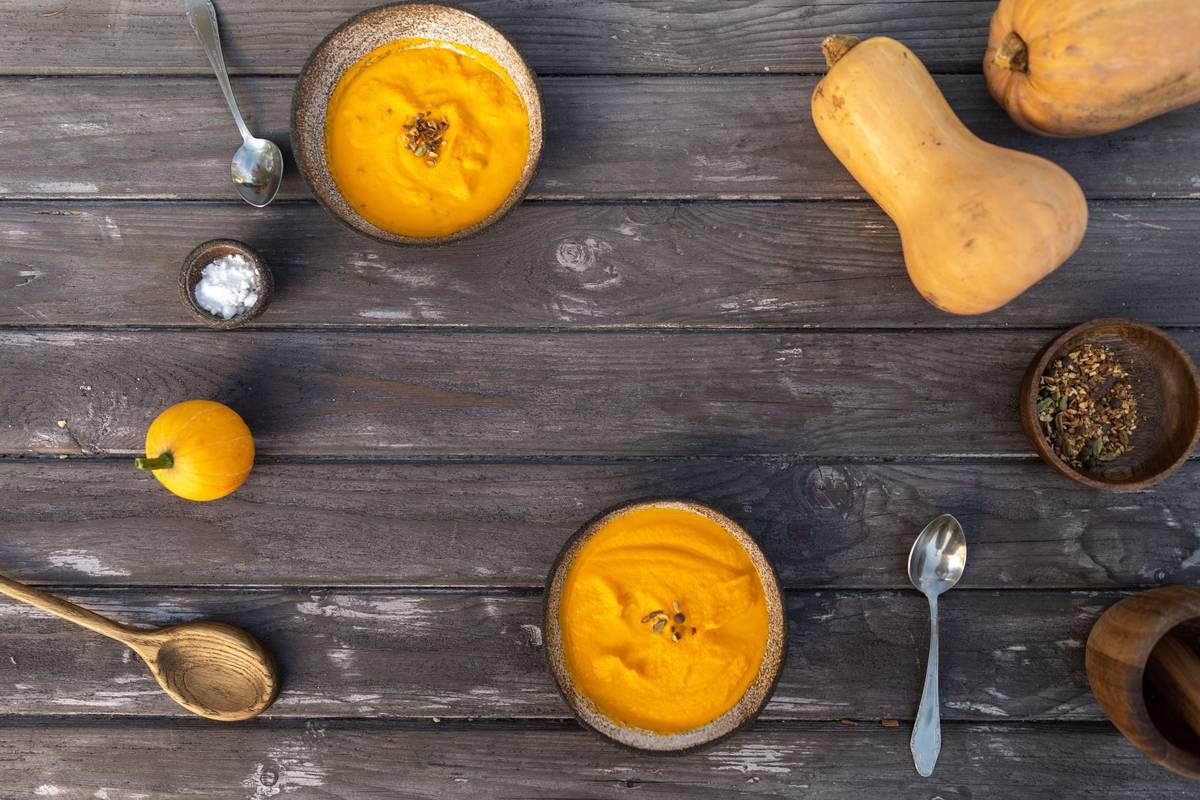
Not entirely, but they reduce reliance on them. A single bowl of spinach-pumpkin soup delivers iron, folate, and vitamin A naturally. Still, consult your healthcare provider for personalized advice—especially regarding B12 or D.
How long do homemade organic soups last?
Up to 5 days refrigerated in airtight containers, or 3 months frozen. Always reheat thoroughly. For safety guidelines, refer to the FDA’s food storage recommendations.
Do I need a high-speed blender?
No. An immersion blender works perfectly for most recipes. If using a standard blender, cool the soup slightly first and pulse in batches to avoid steam explosions.
Where can I learn more about your approach?
We detail our philosophy on whole-food wellness on our About Us page. Transparency matters—which is why our Privacy Policy ensures your data stays yours.
Ready to customize your own recipe?
Reach out! We love collaborating on personalized soup plans. Contact us today.
Making great organic soup isn’t about perfection—it’s about presence. Chop with care, taste as you go, and remember: every spoonful is a vote for your future skin. Because beauty doesn’t come from a jar… it simmers in a pot.
*Clear broth, calm mind, glowing skin—one bowl at a time.*